



-
Prep Time10 Mins
-
Serving4
-
Ready in:20 Mins
Perfect Cacio e Pepe Recipe:
Cacio e Pepe – Authentic 3-Ingredient Italian Pasta
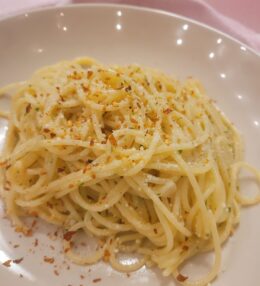
Cacio e pepe is the perfect harmony of just three ingredients: spaghetti, Pecorino Romano cheese, and freshly cracked black pepper. More than a recipe, it is a technique, where starch, fat, and heat combine to create a silky, creamy emulsion.
Many people assume the cacio e pepe recipe is as simple as tossing cheese and pepper over pasta. In reality, it is one of the purest demonstrations of emulsification in Italian cuisine.
The Role of Pasta Water
The starchy pasta cooking water is the key element in this cacio e pepe recipe. The dissolved starch acts as a natural emulsifier, allowing the Pecorino Romano to melt smoothly into a creamy sauce when combined with heat and agitation.
Cheese Quality Matters
For an authentic result, use Pecorino Romano DOP, a hard sheep’s milk cheese with a sharp, salty flavor that defines the dish.
If unavailable, Grana Padano can be used as a milder alternative, though the final flavor will be less intense in this cacio e pepe recipe.
Toasting the Black Pepper
Freshly cracked black pepper should be toasted in a dry pan before any liquid is added. This step releases essential oils (piperine compounds), enhancing the aroma and giving the dish its signature “pepe” character in this classic cacio e pepe recipe.
Equipment Needed:
A successful cacio e pepe recipe requires only a few essential tools:
- Large pot – for boiling pasta in salted water
- Wide skillet or sauté pan – for emulsifying the sauce
- Fine grater – to finely grate Pecorino Romano
- Tongs or pasta fork – for tossing the pasta
- Ladle – for reserved starchy pasta water
- Pepper mill – for freshly ground black pepper
Tip: A heavy-bottomed skillet helps maintain stable heat and prevents the sauce from breaking.
Common Mistakes (and How to Fix Them)
1. Clumpy cheese sauce
Mistake: Adding cheese to overly hot pasta or boiling liquid.
Fix: Mix grated cheese with a small amount of lukewarm pasta water to form a smooth paste before combining.
2. Overly salty dish
Mistake: Salting the pasta water too heavily.
Fix: Pecorino Romano is naturally very salty — reduce salt in the boiling water.
3. Overcooked pasta
Mistake: Pasta becomes too soft and fails to hold the sauce.
Fix: Cook pasta 1–2 minutes less than package instructions and finish in the pan.
Storage & Reheating
Cacio e pepe is best enjoyed fresh, as the emulsion changes over time.
- Refrigeration: Store in an airtight container for up to 1 day
- Freezing: Not recommended, as the sauce will separate
Reheating:
- Warm gently in a skillet over low heat
- Add 1–2 tablespoons of water (or reserved pasta water)
- Stir continuously until creamy texture returns
⚠️ Microwave reheating is not recommended, as it may cause the cheese to break and lose its emulsion.
Don’t miss out on our latest recipes! Make sure to follow us on Facebook and Instagram to be the first to see our tastiest creations. We have plenty of other tips waiting for you, so go ahead and browse through our recipes!
Ingredients
Nutrition
per serving, 4 servings total:
- Daily Value*
-
Calories 635 kcal32%
-
Fat 18.2g26%
-
Carbohydrates 89.5g34%
-
Protein 28.8g58%
-
Fiber 3.5g14%
-
Salt 2.4g40%
Directions
Finely grind the black pepper and grate the cheese.
Bring a large pot of salted water to a boil and cook spaghetti until al dente.
Toast the black pepper in a dry skillet until fragrant, then add a ladle of pasta water to create a pepper infusion.
In a bowl, mix Pecorino Romano with a small amount of pasta water to create a smooth cheese cream.
Transfer the pasta into the skillet with pepper water, toss well, then remove from heat. Add the cheese cream gradually while stirring constantly until a glossy, creamy sauce forms. Add more pasta water if needed.



Leave a Review